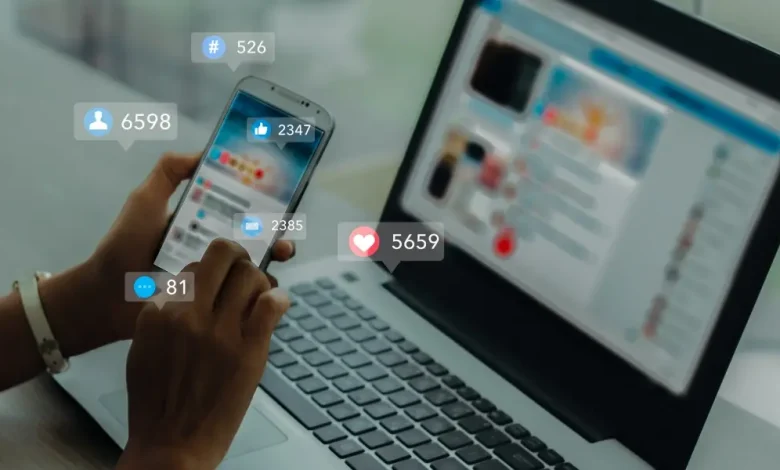
Building a substantial follower count on social media is a notable milestone, but audience size is ultimately a vanity metric if those followers remain passive. The true measure of digital marketing success lies in engagement. Social media engagement encompasses the active ways users interact with your content, including likes, comments, shares, saves, retweets, and direct messages.
Higher engagement rates signal to platform algorithms that your content is valuable, which prompts those algorithms to distribute your posts to a wider, organic audience. Conversely, low engagement rates tell the system that your content is irrelevant, causing your visibility to drop. This guide explores the psychological triggers, algorithmic structures, and practical content strategies required to transform passive scrollers into an active, vocal community across your social media channels.
The Core Mechanics of Social Media Engagement
To influence audience behavior, you must first understand why people interact with digital content. Social media is fundamentally relational, not transactional.
Understanding Algorithmic Relevancy
Modern social media algorithms prioritize the user experience by serving content that provokes a response. Platforms evaluate how quickly a post gathers interactions after publication, how long a user pauses on the post, and whether it sparks a multi-user conversation in the comments section. Optimizing for these behaviors ensures your content maintains a high ranking in user feeds.
The Psychology of Sharing
People share content that reflects their identity, validates their beliefs, or provides immense value to their peers. When creating a post, ask yourself if the asset helps the user express who they are or if it saves their friends time or money. If it achieves these goals, the likelihood of a share increases exponentially.
Actionable Frameworks to Drive Audience Interaction
Shifting from low interaction to high engagement requires a structured approach to asset creation and community management.
1. Master the First Three Seconds
The modern digital space suffers from short attention spans. Users swipe through feeds rapidly, meaning your content must feature an immediate hook to interrupt the scroll.
-
Visual Dominance: Use high-contrast color palettes, bold typography, and compelling compositions that clearly communicate the subject of the post instantly.
-
Compelling Hooks: Start text descriptions or video voiceovers with a problem statement, a surprising statistic, or a direct question rather than a slow, polite introduction.
2. Implement Interactive Content Formats
Static broadcasts often result in passive consumption. Interactive features force the user to make a physical choice, which counts as an engagement touchpoint.
-
Polls and Quizzes: Utilize platform stories or native feed features to ask simple, opinion-based questions. People naturally enjoy testing their knowledge or voicing their opinions.
-
Q&A Stickers: Invite your followers to ask specific questions regarding your industry, business operations, or product development, then address those inputs publicly.
-
Interactive Swipe Files: Create multi-slide carousels where each slide builds anticipation for the next, forcing the user to swipe repeatedly to reach the resolution.
3. Cultivate Two-Way Conversations
Engagement is a conversation, not a monologue. Brands that post content and immediately log off miss the most vital aspect of platform growth.
-
The First-Hour Rule: Dedicate the first sixty minutes after publishing a post to actively responding to every initial comment. This early activity signals to the algorithm that the post is generating a lively discussion.
-
Ask Open-Ended Questions: Avoid closing your captions with a statement. Instead, invite user input by asking how they handle a specific scenario, what their favorite resource is, or which design option they prefer.
-
Engage Outside Your Page: Leave meaningful, insight-driven comments on the posts of industry peers, complementary brands, and active followers to draw organic eyes back to your own profile.
4. Optimize Content Delivery Timelines
Publishing world-class content when your target audience is asleep ruins its organic potential. Analyze your account metrics to pinpoint the exact days and hours your specific followers are most active online. Standardize your posting schedule around these high-traffic windows to capture maximum immediate engagement velocity.
Cross-Platform Optimization Tactics
Every social media network caters to distinct user psychologies and formatting rules. Tailoring your execution across channels is mandatory.
Short-Form Video Platforms
Video-centric networks rely heavily on retention metrics. Keep edits fast-paced, use native caption overlays to accommodate users browsing with audio disabled, and focus on delivering entertainment or rapid education within the first few seconds.
Professional and B2B Networks
Business-oriented networks value industry commentary, personal career narratives, and actionable frameworks. Focus on long-form textual storytelling, break down complex whitepapers into digestible bullet points, and share behind-the-scenes insights regarding corporate culture or operational failures.
Visual and Lifestyle Networks
Aesthetic excellence dominates lifestyle spaces. High-resolution imagery, seamless video transitions, and highly organized carousels perform best. Utilize the save feature by creating step-by-step guides, recipe breakdowns, or resource lists that users will want to reference repeatedly in the future.
Frequently Asked Questions
Does updating old social media posts help increase current engagement metrics?
On platforms like LinkedIn or Facebook, editing a post shortly after it goes live to fix a typo can occasionally throttle its initial algorithmic distribution. However, on long-form channels like YouTube or Pinterest, updating titles, descriptions, and thumbnail graphics on older assets can completely revitalize the content, making it searchable for new audience cohorts.
What is the ideal ratio between promotional content and engagement-focused content?
A trusted industry standard is the eighty-twenty rule. Eighty percent of your published social media content should focus entirely on providing value, education, entertainment, or community inspiration without asking for anything in return. The remaining twenty percent can explicitly promote your commercial products, services, or lead magnets.
How do shadowbans affect engagement rates and how can you fix them?
A shadowban occurs when a platform restricts the visibility of your posts to the public without formally notifying you, usually due to terms-of-service violations or using banned hashtags. To recover, cease all automated bot activity, pause posting entirely for forty-eight to seventy-two hours, remove any flagged content, and resume manual, authentic interactions.
Should you delete comments from critics or trolls to preserve page sentiment?
You should only delete comments that feature hate speech, harassment, explicit spam, or profanity. Constructive criticism or differing professional viewpoints should remain visible. Replying to a critic with politeness, data, or professionalism demonstrates strong brand maturity and frequently prompts other community members to step in and defend your brand in the comments.
Why is the save metric becoming more valuable than the simple like metric?
Algorithms heavily favor saves because they indicate deep, long-term utility. A user can like a post passively in a fraction of a second without processing the information. Saving a post means the user finds the content so valuable that they intend to return to it later, signaling maximum content quality to the platform.
How does the length of a caption impact overall engagement across different platforms?
The impact varies significantly by audience intent. For fast-paced, visual-first platforms, concise captions that get straight to the point or feature a single prompt work best. For professional networks or community-focused spaces, long-form, micro-blog style captions generate longer dwell time, which encourages deep, thoughtful conversation in the comments.