Technology Meets Tradition: How Yoga Classes in Singapore Are Embracing Apps, Wearables, and Smart Tracking

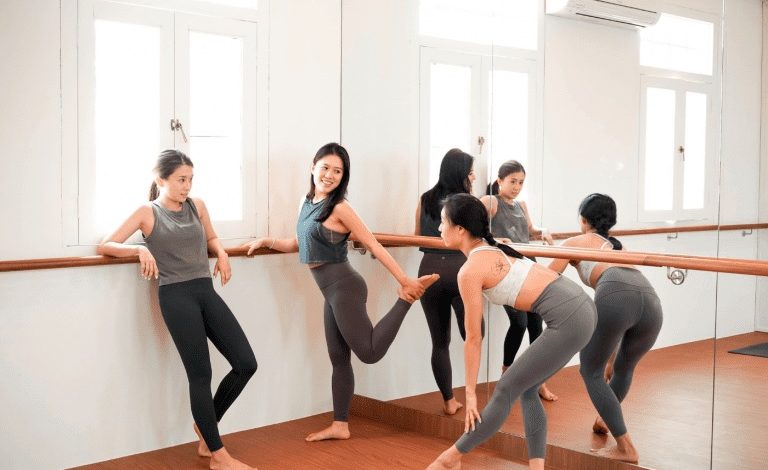
Yoga has always been rooted in ancient tradition, but in a modern city like Singapore, it has found a new dimension through technology. While the essence of yoga remains the same, the way people join, track, and experience yoga classes Singapore is being reshaped by apps, wearables, and digital platforms. This blend of mindfulness with innovation shows how urban lifestyles are redefining what it means to stay committed to a practice.
The Changing Landscape of Yoga in Singapore
Traditionally, yoga was learned face-to-face from a teacher, with emphasis on breath, posture, and spiritual awareness. In Singapore, this foundation is still respected, but modern lifestyles demand more convenience and customisation. Professionals, students, and even retirees are now relying on technology to make yoga more accessible and trackable.
Why the shift?
-
Busy schedules require flexibility in class booking.
-
Data-driven culture means people want measurable progress.
-
Mobile-first habits make apps the natural tool for fitness.
-
Wearables provide real-time feedback that deepens practice.
Rather than replacing tradition, technology is complementing it, helping individuals make yoga a sustainable part of their daily routine.
Mobile Apps for Booking and Planning
For many Singaporeans, their yoga journey begins not at the studio, but on a smartphone. Booking apps and studio platforms allow people to reserve classes instantly, manage cancellations, and pay online. This eliminates friction and makes the decision to attend class far simpler.
Features commuters and busy professionals value
-
Instant slot booking near office or home
-
Class reminders that sync with calendars
-
Waitlist systems ensuring no time is wasted
-
Trial class sign-ups for exploring different styles
With Singapore’s fast-paced culture, apps empower yoga practitioners to prioritise wellness without battling administrative tasks.
Wearables Enhancing Practice
Wearable devices like smartwatches and fitness bands are no longer limited to runners and cyclists. Yoga enthusiasts in Singapore are now using them to enhance awareness of their body during practice.
How wearables support yoga
-
Heart rate monitoring: Tracks how calming or energising a class is.
-
Breathing rhythm detection: Guides practitioners to synchronise with poses.
-
Posture alerts: Some devices signal when alignment shifts.
-
Progress charts: Provide motivation through visible improvement.
These tools help practitioners see beyond the mat, offering insights into how yoga influences their overall health.
Smart Tracking for Progress
Unlike weightlifting or running, yoga progress is not always easy to quantify. Smart tracking tools are changing this by offering ways to measure flexibility, balance, and even stress levels. For Singaporeans who value results, these features make yoga feel more concrete.
Key benefits
-
Flexibility benchmarks: Assess how range of motion improves over weeks.
-
Sleep tracking: Show how evening classes improve rest quality.
-
Stress indicators: Highlight reductions in tension from regular practice.
Technology gives practitioners confidence that their effort is yielding real benefits, making yoga a more measurable journey.
Virtual Classes and Live Streaming
While in-person classes remain popular, live streaming and recorded sessions have grown steadily. For people who cannot always make it to a studio, digital platforms provide an alternative. Singapore’s strong internet infrastructure supports seamless streaming, allowing practitioners to follow classes from home or even while travelling.
When virtual yoga shines
-
Rainy days when commuting is inconvenient.
-
Work-from-home schedules with short breaks for wellness.
-
Travel periods when maintaining consistency is challenging.
This digital layer makes yoga more inclusive, giving people the choice to practise anywhere.
Integrating Tradition with Innovation
The important point is that technology is not erasing the tradition of yoga. Breathing, mindfulness, and community remain at the heart of every class. Instead, innovation provides tools to sustain consistency and accountability.
Studios are embracing this change by:
-
Offering hybrid memberships that combine physical and digital access.
-
Encouraging the use of wearables during practice.
-
Designing workshops around mindfulness apps and meditation tools.
This approach ensures that yoga in Singapore remains authentic while also adapting to modern needs.
Community Engagement Through Digital Platforms
Beyond physical classes, technology enables a new kind of community building. Many yoga enthusiasts in Singapore stay connected through digital forums, WhatsApp groups, and studio apps. These platforms encourage peer motivation and accountability.
Common digital interactions
-
Sharing progress with friends through wearable data.
-
Joining challenges such as “30 days of yoga”.
-
Attending online Q&A sessions with instructors.
-
Posting reflections after class to build connection.
This digital community complements the sense of belonging people experience in studios.
Practical Examples of Tech-Enabled Yoga Routines
-
The corporate commuter: Uses an app to book lunchtime classes near Raffles Place, tracking stress recovery through a smartwatch.
-
The retiree: Streams gentle yoga classes from home, using wearable data to manage heart health.
-
The student: Joins evening classes via flexible passes booked through an app, relying on sleep tracking to monitor recovery.
These examples show that technology helps people of all ages and lifestyles stay consistent in their yoga journey.
The Future of Yoga in Singapore
Looking ahead, the integration of artificial intelligence and virtual reality may take yoga experiences to the next level. Imagine AI-driven posture correction in real time or VR-led meditative journeys that combine digital landscapes with breathing exercises.
While futuristic, these possibilities build on the same motivation: making yoga more accessible, engaging, and personalised for Singapore’s diverse population.
Why Balance Still Matters
Even with advanced tools, balance is key. Over-reliance on apps and trackers can make yoga too data-focused. The goal remains inner calm, presence, and mindful awareness. Singapore practitioners are learning to use technology as a guide, not a replacement for genuine practice.
In this evolving space, Yoga Edition provides the structured classes and community connection that technology alone cannot replace. The harmony of traditional guidance and digital tools makes yoga sustainable for urban lifestyles.
FAQs
Q. Can wearables really track yoga effectively?
Yes. While wearables are not perfect, they provide useful insights such as heart rate patterns, stress levels, and breathing rhythms. These help practitioners become more mindful of how yoga impacts their health.
Q. Do apps make yoga less traditional?
Not at all. Apps are tools for convenience, not a substitute for core practice. They make scheduling easier, helping practitioners stay consistent without losing the essence of yoga.
Q. Is virtual yoga as effective as attending classes in person?
It depends on personal goals. Virtual classes provide flexibility and accessibility, but in-person sessions offer closer guidance and a sense of community. Many Singaporeans choose a hybrid approach.
Q. What is the biggest advantage of using technology for yoga?
Accountability. When classes are booked in advance and progress is tracked, people are more likely to stay consistent and motivated.
Q. Can beginners use technology to learn yoga safely?
Yes, but with caution. Apps and videos are helpful for basic guidance, but it is advisable for beginners to attend at least a few studio classes to ensure correct posture and avoid injury.