In India, where the dawn air in Kanpur carries coal dust and remote Arunachal hamlets yearn for a steady bulb’s glow, hydrogen technology feels like a monsoon rain after a long drought. Fuel cell labs are the gritty alchemists behind this hope, tucked away in bustling corners of Mumbai or quiet university sheds in Bhopal, turning hydrogen’s promise into reality. These aren’t just labs with blinking gadgets—they’re where India’s green tomorrow is being cobbled together, one sweaty experiment at a time. So, what’s the big deal about fuel cell labs, and why are they India’s secret weapon for a cleaner future?
What Is a Fuel Cell Lab?
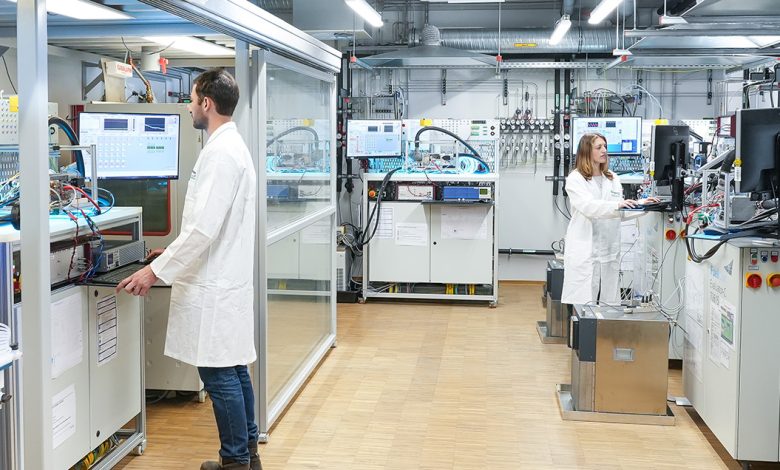
Enter a fuel cell laboratory, and the visitor gets into an atmosphere that is reminiscent of a roadside mechanic workshop with a futuristic sci-fi vision. Machines are turning, scientists are writing notes with the diligence of thieves, and the air is filled with the swell of discovery. In this case, special attention will be paid to fuel cells, the device that transforms hydrogen into electricity and also produces only water. This is a silent revolution to a nation where the smog in Delhi annoys the eyes and power cuts take life away in the countryside of Tamil Nadu.
These labs are stuffed with gear—hydrogen generators, test benches—that take on India’s wild weather, from Punjab’s scorching loo winds to Kerala’s sticky downpours. A fuel cell lab in Surat might run endless tests to ensure a fuel cell can survive the city’s humid, dusty grind. It’s this dogged, chai-fueled persistence that makes fuel cell labs India’s hidden gems.
Advancing Hydrogen Technology Research
● Pioneering Innovation in Fuel Cell Design
Ever seen a street vendor in Varanasi juggle a dozen tasks to make ends meet? That’s the jugaad spirit fuel cell labs bring to their work, tweaking materials to make fuel cells affordable for India’s tight budgets. They mess with proton exchange membrane (PEM) fuel cells, perfect for powering Chennai’s autos or a shop’s generator in Patna, swapping costly imports for catalysts mined in Odisha’s hills.
● Training the Next Generation of Experts
Fuel cell labs aren’t just for experiments—they’re where India’s dreamers get their spark. From IIT Kharagpur to colleges in Nagpur, students pile into these labs, elbow-deep in fuel cell systems, learning by trial and error. Picture a boy from a small Gujarat town, heart racing in a fuel cell lab as he cracks a way to power his village’s anganwadi. That’s the kind of magic these labs ignite.
Supporting India’s Clean Energy Goals
India’s National Hydrogen Mission, with its sights on net-zero by 2070, is a daring leap, and fuel cell labs are the ones making it land. They test how fuel cells hold up in India’s messy reality—think Hyderabad’s choked streets or Sikkim’s frosty slopes. A lab in Pune might mimic a fuel cell running a rural clinic in Bihar, proving it can shine when the grid sputters.
This isn’t just data on paper—it’s the proof India needs to say, “Hydrogen can work here.” Fuel cell labs hand businesses and policymakers the confidence to go all-in on clean energy.
Smashing the Hurdles
● Addressing Cost and Scalability
Let’s not kid ourselves—hydrogen tech can cost an arm and a leg. Fuel cell labs are out to fix that, digging into local materials to make fuel cells cheap enough for a Lucknow tailor or a Rajasthan farmer. They’re also sorting out how to mass-produce fuel cells with desi ingenuity, so startups in Coimbatore can jump in, creating jobs and buzz.
● Enhancing Safety and Efficiency
Hydrogen’s a clean dream, but it’s got a fiery side. Fuel cell labs pore over every detail, testing storage systems to ensure they’re safe for an Institute in Jaipur or a mill in Ludhiana. They also chase efficiency, stretching every puff of hydrogen to power more—vital for a country like India, where nothing goes to waste.
The Future of Fuel Cell Labs in India
Fuel cell labs are already weaving India’s future. They’re helping craft hydrogen-powered tempos for Delhi’s roads and backup systems for Assam’s far-off villages. By knitting together researchers, businesses, and government, they’re building a web of ideas that draws investment and drives change.
Conclusion
In conclusion, a fuel cell lab is more than a research facility—it is a catalyst for India’s clean energy revolution. As India bets on green hydrogen, fuel cell labs will keep stoking the fire. They’re not just labs—they’re where India’s clean energy tale is being scribbled, one breakthrough at a time.