How Industrial Revolution 4.0 Transformed Manufacturing: The Untold Story of Pressure Technology Evolution

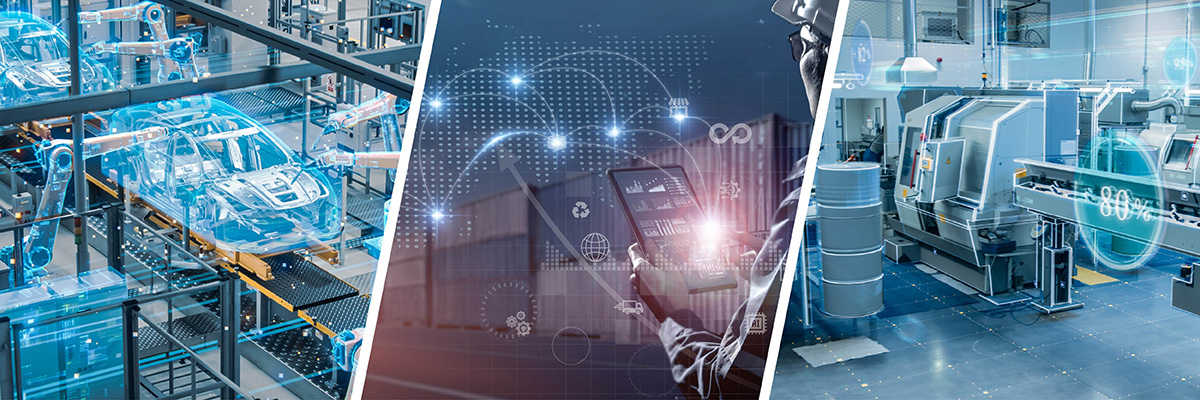
The high pressure gas compressor stands today as both monument and metaphor—a testament to humanity’s relentless pursuit of mechanical mastery over the fundamental forces of nature, yet also a window into the profound intellectual transformations that have shaped modern industrial consciousness. To trace the development of these sophisticated machines is to follow a narrative that illuminates not merely technological progress, but the evolution of human understanding about pressure, energy, and the very nature of industrial possibility.
The Intellectual Genesis of Pressure Mastery
The conceptual foundations underlying contemporary high-pressure gas compression technology emerged from a convergence of theoretical insights and practical necessities during the late industrial period. Gas compressors are mechanical devices designed to increase the pressure of a gas by reducing its volume, yet this seemingly straightforward definition masks centuries of accumulated knowledge about thermodynamics, materials science, and precision engineering.
The intellectual lineage extends back to the foundational work of scientists like Boyle, Charles, and Gay-Lussac, whose investigations into gas behaviour established the theoretical framework that would eventually enable engineers to manipulate gas pressure with extraordinary precision. By the mid-twentieth century, these theoretical insights had crystallised into practical engineering solutions capable of achieving pressures exceeding 100,000 psi—a technological capability that would have been inconceivable to earlier generations of mechanical engineers.
The Architecture of Industrial Transformation
Modern high-pressure gas compression systems embody sophisticated engineering principles that reflect decades of incremental innovation and refinement. The fundamental operational categories reveal the intellectual complexity underlying these seemingly utilitarian machines:
- Positive displacement systems that compress gas through volumetric reduction
- Dynamic compression methods utilising centrifugal and axial flow principles
- Multi-stage compression protocols enabling extreme pressure capabilities
- Variable speed drive integration optimising energy efficiency and operational flexibility
- Smart monitoring systems incorporating predictive maintenance algorithms
Each technological advancement represents not merely improved mechanical capability, but evidence of evolving conceptual frameworks about how industrial systems should operate, monitor themselves, and integrate with broader manufacturing networks.
The Global Political Economy of Pressure
High Pressure Gas Compressor Market size was valued at USD 16.83 Billion in 2023 and is expected to reach USD 23.69 Billion by the end of 2030 with a CAGR of 6.6%. These figures document more than market growth—they trace the geographic redistribution of industrial capability and the emergence of new centres of technological sophistication.
The Asia-Pacific region’s prominence in contemporary gas compression markets reflects broader patterns of industrial migration and technological transfer that have characterised the post-Cold War era. The Indonesia Air Compressor Market size was valued at USD 441.4 million in 2023, and is projected to reach USD 570.9 million by 2030, at a CAGR of 3.2% from 2024 to 2030. Indonesia’s strategic positioning within these global networks illuminates how former colonial territories have transformed themselves into centres of advanced manufacturing capability.
Indonesia’s Industrial Metamorphosis
Indonesia’s embrace of high-pressure gas compression technology provides a compelling case study in how developing economies navigate the complexities of technological modernisation. Indonesia’s prominent position in the global mining industry, supported by its vast mineral reserves, drives the demand for air compressors, yet the nation’s technological trajectory extends far beyond resource extraction.
The Indonesian government’s “Industry 4.0” initiative, focusing on automotive, electronics, chemicals, food and beverages, and textiles, represents a calculated effort to position the archipelago nation within global manufacturing value chains. As one industry analyst observed: “Indonesia’s systematic integration of high pressure gas compressor technology across its expanding industrial base demonstrates how strategic infrastructure investments can accelerate a nation’s transition from resource-dependent economy to diversified manufacturing hub, though success requires balancing foreign technology adoption with domestic capability development.”
Environmental Imperatives and Technological Adaptation
Contemporary developments in gas compression technology reflect growing environmental consciousness and regulatory pressure for energy-efficient industrial solutions. The U.S. Department of Energy has released a pre-publication final rule for industrial and commercial compressor energy conservation standards, indicating how environmental concerns are reshaping technological development priorities.
This regulatory environment has accelerated innovation in areas such as oil-free compression systems, variable speed drive integration, and smart monitoring capabilities that optimise energy consumption. The result represents a fundamental shift in how engineers conceptualise the relationship between industrial productivity and environmental responsibility.
The Digitisation of Industrial Pressure
The integration of Internet of Things (IoT) technologies with traditional compression systems marks a profound transformation in how industrial equipment operates and interacts with broader manufacturing networks. IoT sensors, embedded within air compressors, continuously gather real-time data on critical parameters such as temperature, pressure, and energy consumption.
This technological convergence represents more than incremental improvement—it signals the emergence of what might be termed “intelligent infrastructure,” where mechanical systems possess unprecedented capabilities for self-monitoring, predictive maintenance, and autonomous optimisation.
Historical Continuities and Future Trajectories
The evolution of high-pressure gas compression technology illuminates broader patterns in how human societies develop, adopt, and integrate complex technical systems. From the theoretical insights of nineteenth-century thermodynamics to contemporary smart manufacturing protocols, each developmental phase reflects particular intellectual frameworks, economic priorities, and social assumptions about the proper organisation of industrial activity.
Understanding this historical trajectory proves essential for comprehending not merely how these machines function, but why they have evolved in particular directions and what their continued development might imply for future industrial organisation. The story of pressure technology thus becomes a window into the larger narrative of human technological capability and its profound implications for economic development, environmental sustainability, and social organisation.
In examining these systems today, we encounter both remarkable engineering achievement and historical continuity—evidence of humanity’s persistent effort to master the physical world through systematic application of scientific knowledge, making the high pressure gas compressor an unexpectedly revealing lens through which to understand the broader dynamics of technological change and industrial development in our contemporary era.