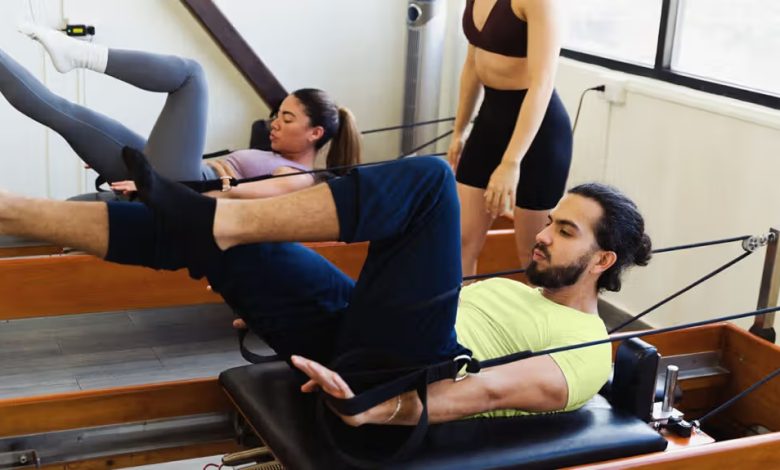
Fitness technology has transformed how people train, track progress, and maintain consistency. From wearable devices to AI-powered apps, technology is no longer just a supplement but an integral part of modern wellness routines. The pilates reformer, traditionally seen as a classical piece of equipment for controlled resistance training, has also embraced this evolution. With smart features and digital integration, reformers are moving beyond standard resistance to provide personalised, interactive workout experiences tailored to each individual.
The Evolution of Reformer Training
The original reformer was a purely mechanical apparatus, using springs, straps, and a carriage to provide resistance. While this design remains highly effective, it relied entirely on an instructor’s guidance and the individual’s body awareness. Today, with the advancement of smart technology, reformers are integrating sensors, connectivity, and tracking systems that elevate the user experience.
This evolution reflects the growing demand for data-driven fitness. Just as people track steps, sleep quality, or heart rate, reformer practitioners now expect insights into form, progress, and performance over time.
Key Features of Smart Pilates Reformers
Smart reformers bring innovation without losing the core principles of Pilates. The following are some of the most notable features shaping the modern experience:
-
Digital resistance tracking: Instead of manually guessing spring resistance, smart reformers record and display resistance levels, allowing users to replicate workouts consistently.
-
Form correction sensors: Built-in motion sensors provide feedback on posture and alignment, ensuring exercises are performed safely and effectively.
-
Workout apps and integration: Many smart reformers connect with mobile apps or tablets, delivering guided sessions, customised programmes, and progress tracking.
-
Virtual training options: Users can access on-demand or live classes, expanding the reach of expert instruction beyond the studio.
-
Data-driven insights: Metrics such as range of motion, time under tension, and repetitions help individuals set measurable goals.
How Technology Enhances the Reformer Experience
Personalised Training
With built-in tracking, users receive tailored guidance. For instance, if a sensor detects uneven weight distribution during footwork exercises, it can alert the individual to adjust. This immediate feedback accelerates learning and prevents poor habits.
Consistency and Progress Tracking
Technology allows practitioners to see tangible progress over time. Instead of relying solely on how exercises feel, users can monitor improvements in resistance, flexibility, and balance. This motivates consistent practice and measurable results.
Accessibility and Flexibility
Virtual training options expand access for those who cannot always attend in-person classes. Busy professionals in Singapore can practise at home with guided sessions while still receiving feedback on performance.
Safety in Training
For those recovering from injury or with physical limitations, form-correction sensors reduce the risk of strain. By ensuring alignment is correct, technology supports safer rehabilitation and long-term participation.
Real-Life Application in Singapore
Imagine a working professional balancing long hours at the office with limited time for fitness. A smart reformer at home allows them to:
-
Access a guided class on demand
-
Automatically track resistance settings from their last session
-
Receive feedback if their posture deviates during exercises
-
Monitor progress through an app that charts improvements
This integration ensures every workout is efficient and goal-oriented, making it easier to remain consistent even with a demanding schedule.
The Role of Smart Reformers in Studios
Smart reformers are not just for home users. Studios that adopt technology-enhanced equipment can offer clients a more personalised experience. By combining the expertise of instructors with real-time feedback from machines, participants gain deeper insight into their bodies. Over time, this combination elevates the standard of training and helps studios cater to diverse needs.
Balancing Technology with the Human Touch
While technology provides data and feedback, it cannot replace the intuition and encouragement of a skilled instructor. The most effective approach blends both: leveraging smart features for precision while relying on professional guidance for adaptation and motivation. Attending classes at Yoga Edition ensures this balance, giving participants access to expert teaching alongside modern reformer practices.
Potential Future Developments
Smart reformers are still evolving, and future enhancements could include:
-
AI-driven custom programmes based on body composition and goals
-
Integration with wearables for heart rate and calorie tracking
-
Virtual reality workouts for immersive sessions
-
Cloud-based progress reports accessible across devices
These possibilities point towards a future where reformer training is more engaging, interactive, and effective than ever before.
FAQs About Smart Pilates Reformers
Q1: Are smart reformers only for advanced users?
No. Smart features often make reformers more beginner-friendly by providing guided feedback and safer progression paths.
Q2: Do I need to buy a smart reformer for home use to benefit from technology?
Not necessarily. Many studios incorporate smart reformers, so you can enjoy the technology without purchasing equipment for personal use.
Q3: How accurate are form-correction sensors?
While sensors are highly useful, they may not detect every subtle misalignment. Combining technology with instructor supervision offers the best results.
Q4: Will smart reformers replace traditional Pilates classes?
Unlikely. Technology enhances the experience but cannot replicate the personal guidance, community, and motivation that in-person classes provide.
Q5: Are smart reformers suitable for rehabilitation after injury?
Yes. With adjustable resistance and feedback on alignment, smart reformers support safe rehabilitation when guided by an experienced instructor.